
The Thing About Milk
We were told we need it, then it became a thing to avoid... so how do we decide what's healthy?

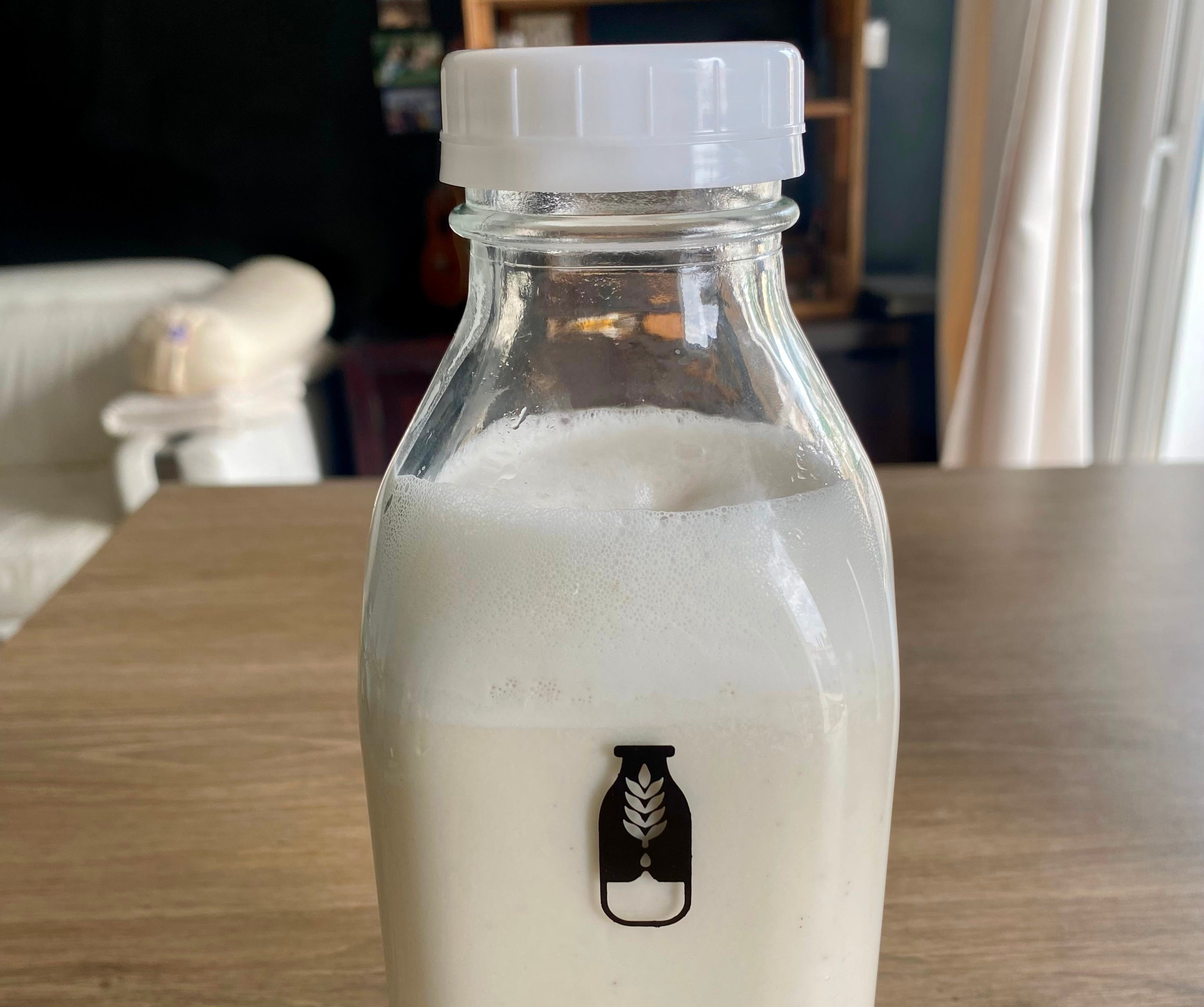
When a trusted doctor told me to start drinking whole milk again, I was…confused. Didn’t wellness shout out dairy-free, vegan, no-lactose life? Was I being punk’d?
I originally wrote about this in 2018 after Ayurvedic practitioner Dr. Marianne Teitelbaum suggested I re-integrate good ol’ cow’s milk back into my life in specific ways, for specific reasons—mainly hormone rebalancing after years of birth control, antibiotics, Prilosec, and vegetarianism. (All tales for another time.)
If you research this topic on the internet, you’ll probably (definitely) find conflicting information, even if each side is science-backed. Some will say milk is inflammatory and tough to digest; others will highlight its nutritional benefits—all of which can be true in some cases. Cheeky little riddles.
Health is incredibly individual, so because Dr. T was treating me based on my personal needs using Ayurvedic techniques like pulse-reading and applied kinesiology muscle testing, I trusted her guidance and decided to give it a go.
In that 2018 post, I shared how I was taught to reintroduce whole milk into my diet—I was never vegan, but I also wasn’t buying or consuming it on the regular:
If someone is sensitive like me, Dr. T recommends incorporating organic milk into the diet in this order:
Boiling milk into soft cheese for a few weeks.
Experimenting with cooking a little bit at a time into grains (upping the ratio of milk to water over time).
Simmering milk with spices like cinnamon and cardamom before bed.
Milk re-enters the chat
I did all of the above and started to lovvve milk again, especially as a cozy nightcap (tastes like a warm milkshake). My hormones eventually rebalanced, too—my period returned after almost 2 years of hiding, which was a huge relief.
That said, I still alternate with non-dairy milks and products for my own reasons. But with Divya’s and Dr. T’s guidance, I became more aware of ingredients in boxed plant milks—and even additives in conventional dairy like added vitamin D (again, just to spice things up, conflicting opinions can be found on all of this).
Most non-dairy milks typically contain stabilizers like oils, gums, or sugars, and we often have no idea how or when they were made. Which raises a few questions:
How long can a thing sit on a shelf before we consume it?
Where was it sourced, and how long did it take to get here?
Does the packaging affect the product and the planet, if so how?
Were the farmers and manufacturers treated and paid fairly?
Were the ingredients grown and sourced in ecological and ethical ways?
(Pretty wild to realize that this can apply to most things humans consume and use...)
This doesn’t necessarily deem boxed non-dairy milks as “bad”—I still buy and drink some of them. It does go to show, though, that products labeled as “healthy” can require a bit more awareness and potential investigation.
Ultimately, we decide what’s healthy for us based on how we feel about the ingredients, and how the ingredients make us feel.
Products like this in moderation might also not make a very big dent depending on who you are and what your body needs/tolerates. This matters more than perfection.
Personal needs
Every body is different.
Some people might have specific allergies and sensitivities to tend to—whether it’s nuts, dairy, lactose, casein, gluten, histamines, or certain additives.
Our bodies and needs can change over time, too, so it’s worth paying attention to how our we feel before, during, and after consuming something. Even the combination of ingredients or food groups we consume can potentially shift how we feel.
Sometimes it’s just how we consume things that make a difference. Scarfing down copious amounts of cheese probably won’t end well. Drinking very cold milk (among other liquids) can irritate sensitive digestion. No more viral Milk Challenges, please...
Learning how to heat and prepare milk—occasionally alongside certain spices—changed how it felt in my body. Gurgle-y belly → nourished, happy belly.
This can apply to other foods, too, like the infamous Gluten. Ayurveda aims to support gut health and digestion so that the body can tolerate a wider arrange of foods.
Depending on who you ask, some foods labeled as “unhealthy” may offer health benefits. And depending on the person, sometimes eliminating a certain food entirely isn’t a long-term solution for various reasons.
Personal values & choices
How we care for ourselves and the planet (and others) is personal and can depend on our needs, values, access, and other life or health circumstances.
None of this is to stress us out, either. My intention is to empower us all to take good care of ourselves so that we can take good care of each other and the planet.
When I’m making my own food choices, I tend to consider things like the following—which have all become more habitual and natural over time:
Ingredients. Am I familiar with them? How do I feel after consuming them? Is there a lot of added (potentially unnecessary) sugar, oil, gum, etc?
Sourcing and production. Organic and fair trade certifications aren’t always accessible, but either way, I still sometimes dig deeper into brands and ingredients (not always, though—I pause if I notice this starts to stress me out).
Packaging. Not always easy to find products or ingredients in eco-friendlier options than plastic, but awareness matters a lot.
Price per unit. Useful when comparing options, but if/when possible, I opt for what feels most nourishing for my health and the planet.
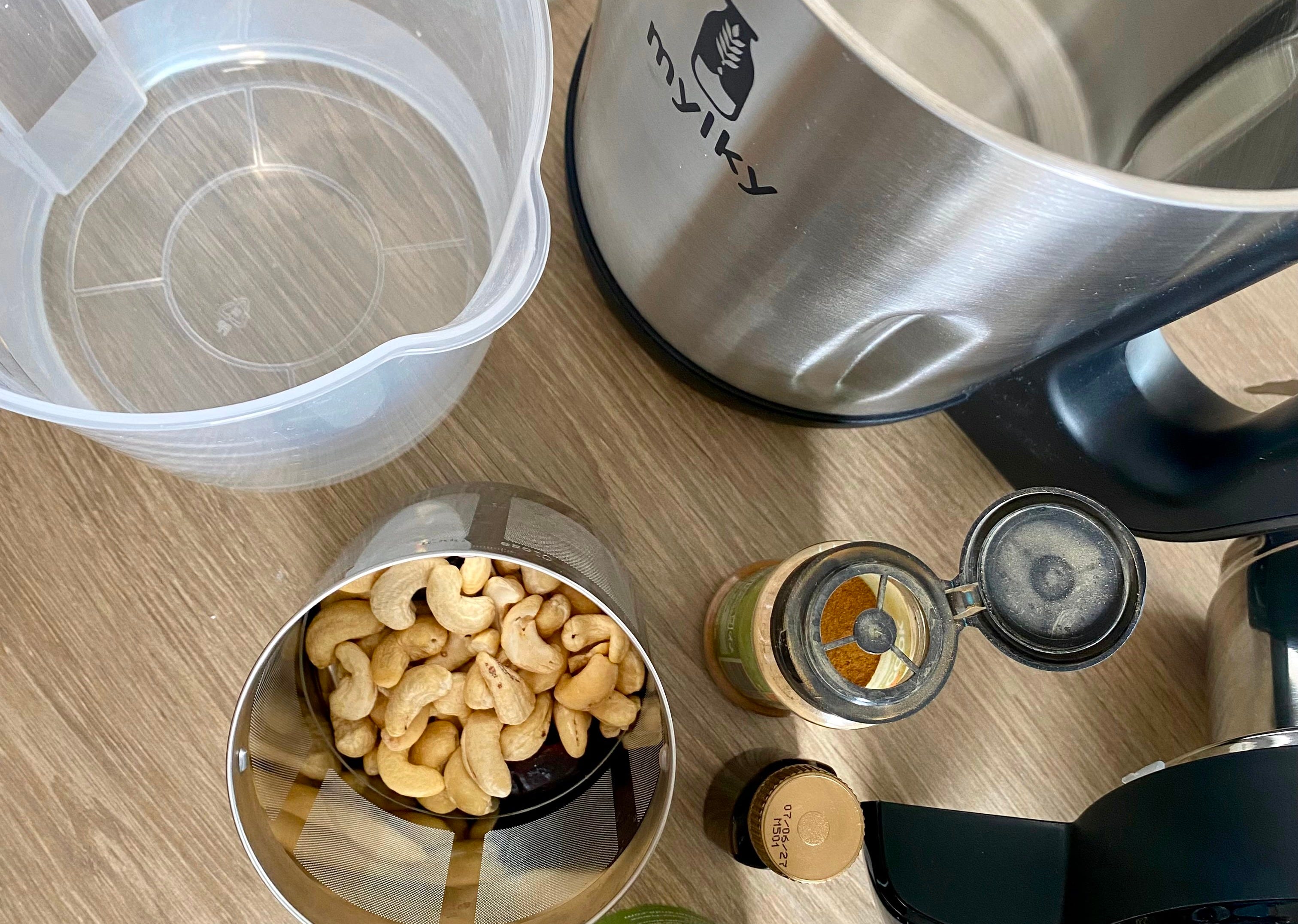
Can I make it myself? Not always realistic for everyone, but things like plant-based milks can be surprisingly simple—the pulp can be reused, too.
For those who avoid dairy for whatever reason, swaps don’t always have to default to tofu or soy—although both can work well. You can exchange or rotate, like:
Nut milk for whole milk.
Coconut cream for cream (makes amazing whipped cream!).
Olive, avocado, or coconut oil for butter.
Avocado or nutritional yeast for cheese—nut “cheese” is also a thing.
U.S. brands like Miyokos (the butter!), Forager Project, cocojune, and Kitehill have good vegan alternatives. Same for Europe’s Jay & Joy, Biocoop, and Abbot Kinney’s.
Other eco-conscious pantry + kitchen staples are in my curated Amazon collection.
I receive a small commission—no extra cost to you.

Onward
If I could sum this up in a nut(milk)shell:
Don’t demonize food. Stahp it. Choose what works for you. Anxiety-based rigidity won’t alleviate digestive or other health issues.
Care for yourself in the best way you can. Even if trends tell you to do something different than what you feel is best for you personally, trust your instincts.
Moderation & variety > excess & perfection. Generally true in most cases…
Enjoy and give thanks. Nourishment is a gift and a necessity (and a human right—another deeper topic).
If you’d like to support communities with limited access to food, consider organizations like World Central Kitchen or The Hunger Project.
P.S. This was all inspired by a recent post I did with Mylky—I was skeptical, but the result was 10/10. I made 3 batches in 1 week, then I made almond pulp cookies :)
Use code SASHA10 for 10€ off Euro orders.

If you’re navigating food choices or feeling super overwhelmed by conflicting wellness advice, I’ve been there. I offer free assessment calls to help personalize nourishing eats, routines, habits, and mindset.
What’s your milk of choice these days, and how do you like to enjoy it?
Take good care,
S
